9/23/2026 – Methanesulfonic Acid (MSA) is an important raw material in modern tin and tin-lead electroplating. For high-volume and high-speed plating operations, however, selecting the right MSA is about more than simply purchasing an acid at the correct concentration.
Trace impurities, batch consistency, bath stability, and plating performance can all be important considerations when qualifying Methanesulfonic Acid for an electroplating process.
Varsal manufactures MSA with controlled impurity specifications and a clean manufacturing process designed to support demanding industrial plating applications.
Why Is Methanesulfonic Acid Used in Electroplating?
Methanesulfonic Acid can be used as the acid component in tin and tin-lead electroplating systems.
In a production environment, the plating chemistry needs to do more than simply enable metal deposition. Manufacturers also need consistent deposits, stable bath performance, and chemistry capable of supporting the production speeds required by the operation.
Varsal’s MSA is approved for use in major tin-lead applications and provides throwing power suitable for high-speed tin-lead alloy plating in reel-to-reel operations.
These characteristics make MSA particularly relevant to manufacturers operating continuous plating processes where consistency and throughput are critical.
Why Does MSA Purity Matter in Electroplating?
An MSA specification includes more than the concentration of Methanesulfonic Acid.
Trace components introduced through raw materials can be particularly important in a controlled plating bath. For this reason, manufacturers evaluating an MSA source should review the complete specification rather than focusing solely on acid concentration.
Varsal’s 70% MSA specification controls:
- Chloride: 10 ppm maximum
- Iron: 5 ppm maximum
- Oxidizable compounds: 20 ppm maximum
- Sulfate: 100 ppm maximum
- Color: APHA 20 maximum
Varsal’s typical values are even lower, including 5 ppm chloride, 3 ppm iron, 14 ppm oxidizable compounds, and less than 30 ppm sulfate.
For electroplating manufacturers, this impurity control can be an important consideration when qualifying a consistent MSA source.
Low Chloride MSA for Electroplating
Chloride is one impurity that Varsal specifically controls in its MSA.
Varsal’s MSA 70% specification limits chloride to 10 ppm maximum, with a typical value of just 5 ppm.
For Varsal’s tin-lead applications, the combination of low chloride and low oxidizable levels helps support long bath life and stable solder deposits.
For high-volume plating operations, maintaining consistent raw-material quality can help support predictable bath performance over extended production periods.
Controlling Oxidizable Compounds
Oxidizable compounds are another important component of Varsal’s MSA specification.
Varsal’s MSA 70% limits oxidizable compounds to 20 ppm maximum, with a typical value of approximately 14 ppm.
Together with controlled chloride levels, low oxidizables help support long bath life and stable solder deposits in tin-lead plating applications.
This is an example of why two products with the same nominal MSA concentration may not necessarily perform identically in a demanding industrial process. The broader impurity profile also matters.
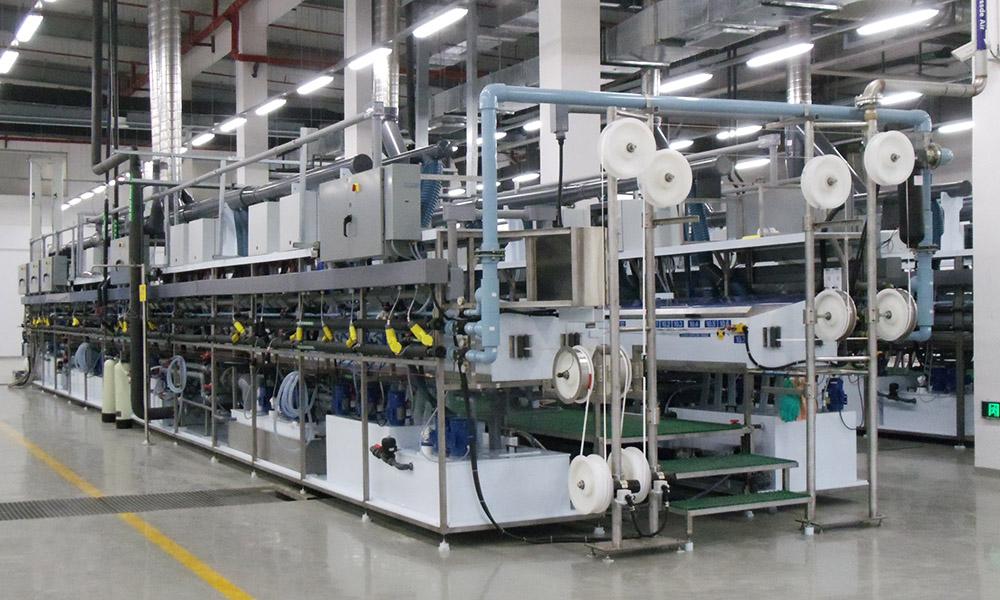
MSA for High-Speed Reel-to-Reel Plating
Modern electronics and component manufacturing can require plating processes capable of operating continuously and at high production speeds.
In reel-to-reel electroplating, components or continuous strips of material move through the plating process, making bath consistency and throwing power particularly relevant to production performance.
Varsal’s MSA provides superior throwing power to allow high-speed tin-lead alloy plating in reel-to-reel operations.
For manufacturers evaluating MSA for these applications, raw-material quality should therefore be considered alongside process chemistry and operating conditions.
A Cleaner MSA Manufacturing Process
The quality of Methanesulfonic Acid is influenced not only by its final specification but also by how it is manufactured.
Varsal’s MSA process is clean with no methyl mercaptan odor, and our process conditions do not typically allow for the formation of methyl esters.
Varsal’s clean process also promotes “Green Chemistry” through reduced environmental impact from sludge.
For customers qualifying a long-term MSA manufacturing partner, the production process behind the material can therefore be an important consideration alongside the analytical specification.
MSA 70% vs. MSA 99% for Electroplating
Varsal manufactures both 70% MSA and 99% Anhydrous MSA, but the appropriate concentration depends on the individual process.
Varsal’s MSA 70% is specified at 70% ± 0.5% by weight, while MSA 99% is specified at 99% minimum with a typical purity of 99.6%.
The appropriate grade should be selected based on the plating chemistry, required concentration, water balance, impurity requirements, and operating conditions.
Customers comparing the two products should evaluate the complete technical specifications rather than assuming that a higher MSA concentration automatically provides better plating performance.
What Should You Look for in an MSA Supplier for Electroplating?
When qualifying a Methanesulfonic Acid supplier for a plating operation, several factors are worth considering.
Impurity control: Review chloride, iron, sulfate, oxidizable compounds, and other parameters relevant to your plating chemistry.
Batch consistency: A reliable raw-material supply should provide consistent quality from batch to batch.
Manufacturing experience: Understanding how the MSA is manufactured can provide additional insight into product quality and potential impurities.
Packaging flexibility: Varsal’s MSA 70% is available in 25 kg pails, 250 kg plastic drums, 1,000 kg IBCs, and ISO-tank containers, supporting requirements ranging from smaller production volumes to bulk industrial consumption.
Technical support: Varsal provides assistance with testing, product evaluation, and application research.
For manufacturers dependent on an uninterrupted plating operation, supply reliability should also be part of the qualification process.
Why Choose Varsal for Electroplating MSA?
Varsal combines MSA manufacturing expertise with a focus on purity, consistency, and dependable supply.
Our MSA is manufactured using a clean process with no methyl mercaptan odor and process conditions that do not typically allow the formation of methyl esters.
For tin and tin-lead electroplating applications, controlled chloride and oxidizable levels help support long bath life and stable solder deposits, while superior throwing power supports high-speed reel-to-reel plating operations.
For manufacturers, that means evaluating MSA as more than a commodity acid. The quality, consistency, manufacturing process, and reliability of the supply behind the product can all contribute to successful production.
Looking for a reliable source of Methanesulfonic Acid for electroplating? Contact Varsal to discuss your plating application, specifications, and MSA supply requirements.